Yahoo!
Description
This interactive, experiential workshop introduces Cognitive Behavioral Therapy (CBT) techniques that support behavioral modification and activation to enhance clients’ daily functioning. Participants will explore how habit tracking, effective self-care practices, and behavioral activation serve as evidence-based interventions to increase motivation, reduce avoidance, and promote sustainable change.
Experiential exercises in this class mirror tools and strategies used in session, providing firsthand insight into how these approaches can be effectively taught to clients. Emphasizing practical application, the workshop focuses on client education, collaborative goal setting, and individualized treatment planning. Attendees will leave with adaptable, ready-to-use tools that can be immediately integrated into clinical work across a variety of settings.
Like this webinar? Click here to view packages that contain this webinar.
About the Presenter:
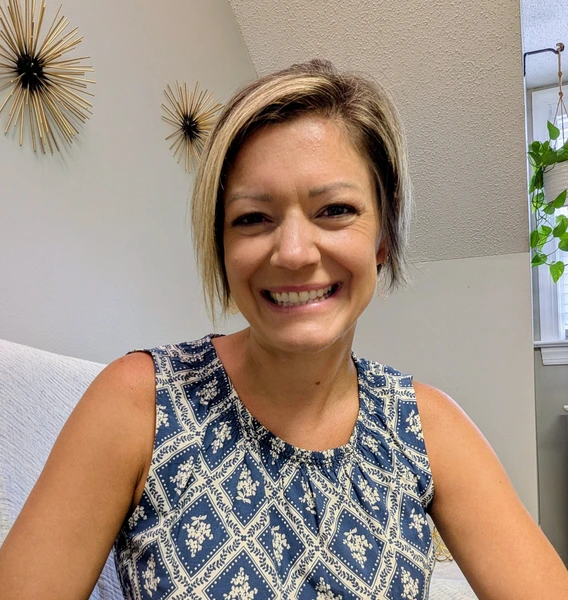
Krista is a Licensed Clinical Social Worker dedicated to meeting clients where they are at and utilizing strengths-based practices in treatment. She has been in practice since 2014 and is driven by the passion she feels as a therapist. She has worked a great amount on her own growth and self-awareness while striving to help clients find their ways to effectively grow and become more internally aware in the work they do together. Krista recently expanded her private practice to a group practice and is looking forward to inspiring other therapists in the social work field.
Learning Objectives:
- Attendees will be able to describe core Cognitive Behavioral Therapy (CBT) techniques to help client learn and incorporate Behavioral Modification into their daily lives in order to improve their daily level of ctioning using evidenc-based strategies.
- Attendees will learn CBT-based Behavioral Activation and Behavioral Modification techniques to help clients decrease depressive symptoms while increasing motivation, improving mood, and learning personalized self-care strategies that work for them.
- Attendees will be able to demonstrate Behavioral Modification and Activation techniques through experiential exercises during the presentation and after. They will be provided tools to use personally and with clients.
- Attendees will be more equipt to assess for client readiness in utilizing Behavioral Modification through assessing their level of motivation, their understanding of the material provided to them, and possible barriers they may face when integrating habit tracking, exploring and identifying self-care, and utilizing Behavioral Activation techniques.
- Attendees will be able to integrate Behavioral Modification strategies and tools into their clinical practice across a variety of settings, including outpatient, inpatient, and community. These strategies and tools can also be integrated in other professions outside of social work and mental health.
Agenda:
1. Welcome, Introductions, and Training Overview
Time: 15 minutes
Objectives:
-
Presenter will introduce herself to attendees and other presenters (if applicable)
-
Review the training objectives and structure of the class
-
Create guidelines and establish expectations for group participation
-
Have a discussion with the group asking, “What do many of your clients wish to change in their daily lives?” Also, “What barriers do they face in changing their behaviors?”
2. Foundations of CBT and Behavioral Modification
Time: 35 minutes
Content (through use of slides and group discussion):
-
Overview of Cognitive Behavioral Therapy principles
-
The CBT model: thoughts, emotions, and behaviors
-
Behavioral modification and reinforcement principles
-
Understanding avoidance, motivation, and habit formation
Interactive and Experiential Activity:
Participants identify behavioral changes they want to make, and struggle to make for themselves. Then identify ways to reduce avoidance and increase motivation by connecting CBT techniques and behavioral/habit tracking.
3. Behavioral Activation as an Evidence-Based Intervention
Time: 35 minutes
Content (given through lecture and a case example):
-
Behavioral activation and its role in improving daily functioning
-
How avoidance maintains depression and anxiety
-
Identifying values-based, interests-based, and reinforcing activities
-
Activity scheduling and habit tracking as a therapeutic tool
Experiential Activity:
Participants fill out a daily Behavioral Activation sheet with morning, midday, and evening slots for activities.
4. Habit Tracking as a Tool for Behavioral Change
Time: 30 minutes
Content (provided through lecture, slides, and experiential activity):
-
Why habit tracking supports behavioral modification
-
Increasing awareness of behavioral patterns through self-reflection, self-awareness, and journaling.
-
"The Four Laws of Behavior Change" from James Clear's "Atomic Habits"
Experiential Activity:
Participants use the personal habit tracking and behavioral activation plan they created (from Part 3) to journal about what behavioral changes they hope to see and how they will set and work towards their intentions.
5. Integrating Effective Self-Care into Behavioral Change
Time: 25 minutes
Content (through lecture and group discussion):
-
Reframing self-care as a behavioral health intervention
-
Identifying realistic, sustainable self-care behaviors and goals
-
Addressing common client barriers to self-care
Discussion Prompt:
“When you talk with clients about self-care, what are their common misconceptions, assumptions, and responses to the information you all provide?
Follow up: “How can you, as clinicians, make the concepts of behavioral implementation more practical and reachable for them?”
6. Experiential Application: CBT Tools in Practice
Time: 35 minutes
Content (through an experiential exercise and group activity):
-
Apply CBT techniques collaboratively with clients
-
Combining Habit Tracking, Self-Care Planning, Setting Intentions, and Behavioral Activation
Activity:
Participants break off into groups of 2 having one person be the client and the other being the clinician. They work together to create the following:
-
A behavioral activation plan
-
A habit tracking strategy
-
A self-care plan and reward system
The groups will get 10 minutes for the first person being the client, then they will switch. Once the time is up, groups will briefly share their approach with the larger group.
7. Ethical, Cultural, and Practical Considerations
Time: 20 minutes
Content (through lecture and discussion):
-
Ethical considerations when recommending behavioral interventions
-
Cultural factors influencing self-care and behavior change
-
Addressing barriers such as time, access, motivation, and socioeconomic limitations
Discussion Prompt:
“What adaptations might be necessary when implementing these tools with diverse client populations?”
8. Integration, Q&A, and Clinical Application
Time: 15 minutes
Content (through open Q&A and a reflection exercise):
-
Key takeaways and practical strategies
-
How to immediately integrate these tools into clinical practice
Closing Activity:
Participants identify one CBT behavioral tool they will implement in their clinical work within the next month.
This presentation is open to:
- Behavior Analysts
- Social Workers
- Professional Counselors
- Therapists
- Psychologists
- Licensed Mental Health Practitioners
- Medical Doctors and Other Health Professionals
- Other professionals interacting with populations engaged in mental health based services
This online class is offered at an intermediate level, and is beneficial for an intermediate level clinician:
- New practitioners who wish to gain enhanced insight surrounding the topic
- Experienced practitioners who seek to increase and expand fundamental knowledge surrounding the subject matter
- Advanced practitioners seeking to review concepts and reinforce practice skills and/or access additional consultation
- Managers seeking to broaden micro and/or macro perspectives
Additional information
- Refunds: Registrants who are unable to attend a CeYou! Plus! seminar or live webinars may ask for, and will receive, a credit or refund (your choice). Refund requests will be processed within 3 business days. When an attendee knows in advance that they are unable to attend we ask that they inform CeYou! Plus! ahead of time by emailing [email protected] or by calling or texting 607-249-4585 this allows us to free up the spot in the training in the event that a training is at or near capacity.
- Disability Access: If you require ADA accommodations, please contact our office 30 days or more before the event. We cannot ensure accommodations without adequate prior notification.
- Please Note: Licensing Boards change regulations often, and while we attempt to stay abreast of their most recent changes, if you have questions or concerns about this course meeting your specific board’s approval, we recommend you contact your board directly.
- The grievance policy for trainings provided by CeYou! Plus! is available here
- Satisfactory Completion: Certificates are available after satisfactory course completion in your account or by clicking here
- Participants will receive their certificate electronically upon completion of the webinar and course evaluation form.
- There is no conflict of interest or commercial support for this program.
- System Requirements: Any device (such as a computer, tablet, or phone), Dual-Core 2 GHz or higher processor, and at least 4 GB of RAM capable of running a Zoom session, along with a stable internet connection.
- Although early registration is recommended for this class in order to ensure the best experience, attendees may register and join until the start of the program