Yahoo!
Description
This presentation will provide an interactive and experiential skills-based workshop that introduces Cognitive Behavioral Therapy (CBT) techniques that teach and support Behavioral Modification and Behavioral Activation to improve clients’ daily level of functioning. Participants will learn and explore how habit tracking, effective behavioral activation practices, and identity formation can be used as evidence-based interventions to increase motivation, reduce avoidance, and promote sustainable behavioral change.
The experiential exercises will utilize the same tools and strategies used in session, allowing attendees to gain firsthand understanding of how these interventions can be taught to clients. The workshop emphasizes putting CBT into practice, with a focus on client education, collaborative goal setting, and individualized treatment planning. Attendees will leave with adaptable tools they can immediately integrate into clinical work across a variety of practice settings.
Like this webinar? Click here to view packages that contain this webinar.
About the Presenter:
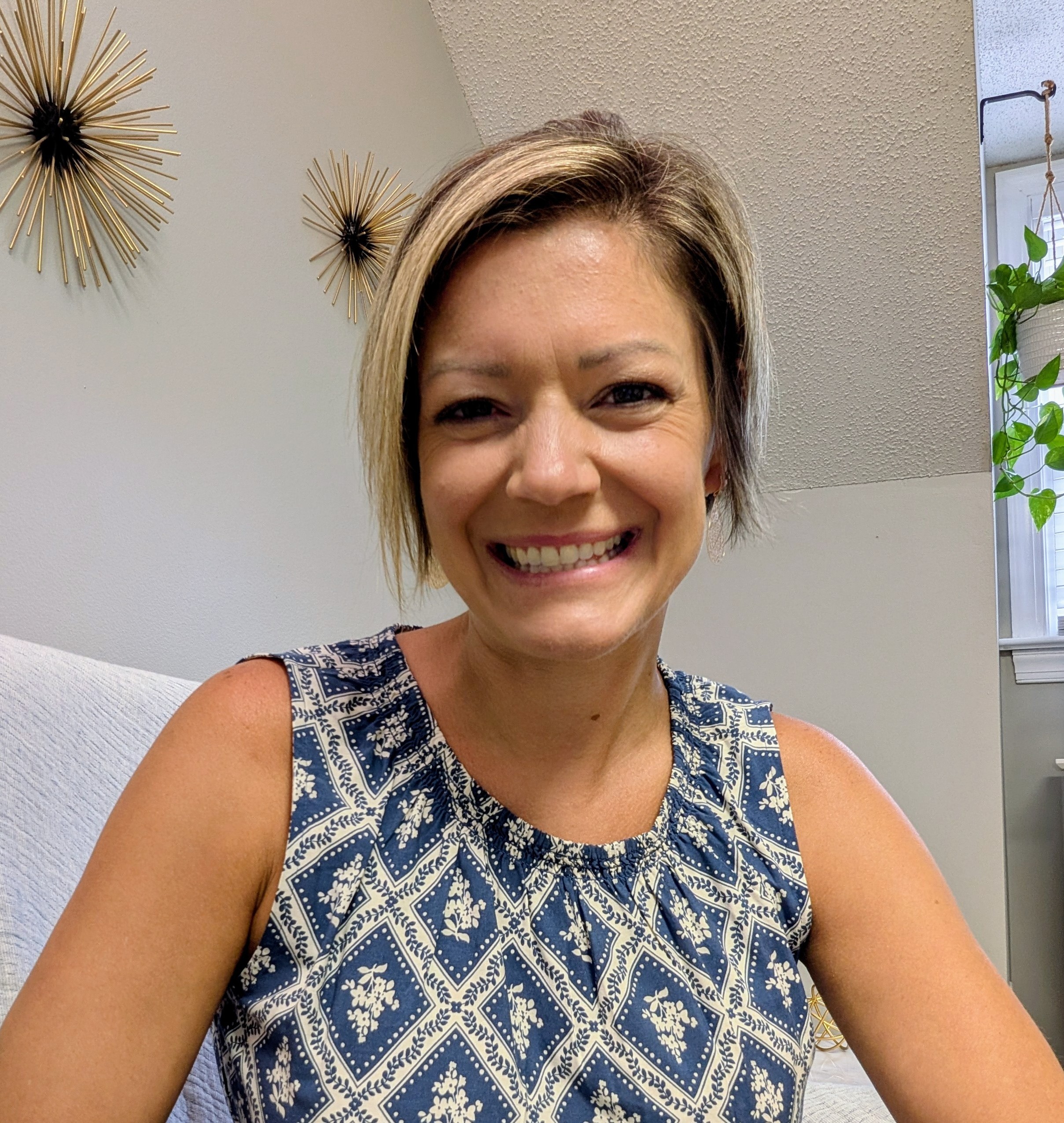
Krista is a Licensed Clinical Social Worker dedicated to meeting clients where they are at and utilizing strengths-based practices in treatment. She has been in practice since 2014 and is driven by the passion she feels as a therapist. She has worked a great amount on her own growth and self-awareness while striving to help clients find their ways to effectively grow and become more internally aware in the work they do together. Krista recently expanded her private practice to a group practice and is looking forward to inspiring other therapists in the social work field.
Learning Objectives:
- Apply the core evidence-based CBT techniques and terminology using the CBT model to enhance clinician and client education.
- Facilitate behavioral modification and activation by applying concepts of the CBT Model, Attitudes, Intentions, Identity, and Habit Formation.
- Integrate the tools learned to effectively implement them into clinical practice for enhanced client outcomes.
Agenda:
Agenda
1. Welcome, Introductions, and Training Overview
Time: 10 minutes
Objectives:
· Presenter will introduce herself to attendees
· Review the training objectives and structure of the class
· Review guidelines and establish expectations for the class
· Review activities and participation expectations
· Have a discussion with the group asking, “What are some goals your clients make in treatment," and "Are there barriers your clients face when it comes to behavioral modification?"
2. What is CBT?
Lecture Time: 35 Minutes
· Presenter will provide a client example she will use throughout the class.
· Overview of CBT Model and Terms
· Cognitive Distortions Defined
· The CBT Model Visualized
· Attitudes, Core-Beliefs, and Identity
· Client example helps us understand Avoidance
· CBT Model: Identify Thoughts, Emotions, and Behaviors
· Avoidance vs Engagement
· CBT Model: Challenge, Reframe, and Take Action
· Setting Intentions toward Behavioral Change
· Identifying values-based, interests-based, and reinforcing activities
3. Experiential Activity #1: Avoidance & the CBT Model
Allotted Time: 20 Minutes
Participants will use a Client Scenario provided to complete 4 therapeutic exercises utilizing the CBT model.
1) The CBT Model
2) How avoidance maintains anxiety and depression
3) Identify Cognitive Distortions
4) Challenge, Reframe, and Take Action
Experiential Activity #1 Debrief
Presenter will go through the Client example with participants
4. Habit Formation and Identity
Lecture Time: 25 Minutes
“Build a life that is rich and rewarding, and the positive feelings will come.”
· Habit Formation Terms
· The Habit Score Card
· Habit Formation Terms Cont.
· Connecting Identity with Habits
“You are under no obligation to be the person you were 5 minutes ago.” –Alan Watts
5. Experiential Activity #2: The Habit Score Card & Identity Cycle
Time allotted: 15 Minutes
Using the client from Activity #1, complete the following exercises:
1) Create a Habit Score Card realistic for this client. Assume you are tracking her behaviors from the time she walks into work and is there for 2 hours.
2) Identify the habits as positive (+), negative (-), or neutral (=) and label each.
3) Complete the first Identity Cycle using an Identity from her current habits on the Score Card you created in Exercise (1). Under the cycle, write the client’s “desired” identity.
4) Complete the Identity Cycle with the client’s “desired” identity
Experiential Activity #2 Debrief
Presenter will go through the Client example with participants
6. Implementation Intention Plan for a Desired Identity
Lecture Time: 15 Minutes
· Implementation Intention Plan Examples
7. Behavioral Activation and Activity Planning
Lecture Time: 25 Minutes
· How do we know what habits are effective?
· Behavioral Activation – What is it?
· Activity scheduling
o Desired identity this week: I am a productive person.
· Behavioral Activation Tracking
o What improves mood?
8. Experiential Activity #3: Behavioral Activation Activity
Time Allotted: 15 Minutes
Participants will fill out the Behavioral Activation sheet provided. They will choose 1 from the following activities:
1) Color for 10 minutes
2) Engage in the 10-minute meditation provided
• http://bit.ly/3RCoeUN
3) Write 3 descriptive positives from your day
• Expand on each one.
4) Stretch for 10 minutes
Experiential Activity #3 Debrief
Presenter will go through a Client example with participants
9. From Insight to Action
Lecture Time: 25 Minutes
· Tie all that was taught together and trainer will share personal experiences with using the CBT model for Habit Formation and Behavioral Change
· Go over 2 Habit Tracking charts
10. Ethical, Cultural, and Practical Considerations
11. Questions and Answer portion & Closing for the class
Time: 15 minutes
Accreditation - This Webinar Offers 3 Live Interactive Continuing Education Credits
- CE You LLC, #1573, is approved as an ACE provider to offer social work continuing education by the Association of Social Work Boards (ASWB) Approved Continuing Education (ACE) program. Regulatory boards are the final authority on courses accepted for continuing education credit. ACE provider approval period: 3/27/2024 - 3/27/2027. Social workers completing this course receive 3 continuing education credits.
- CE You! is an approved sponsor of the Maryland Board of Social Work Examiners for continuing education credits for licensed social workers in Maryland.
CE You! maintains responsibility for this program. - CE You LLC is recognized by the New York State Education Department's State Board for Social Work as an approved provider of continuing education for licensed social workers #SW-0437
- Therapist Express is recognized by the New York State Education Department's State Board for Mental Health Practitioners as an approved provider of continuing education for licensed creative arts therapists. #CAT-0122.
- Therapist Express is recognized by the New York State Education Department's State Board for Mental Health Practitioners as an approved provider of continuing education for licensed marriage and family therapists #MFT-0129.
- Therapist Express is recognized by the New York State Education Department's State Board for Mental Health Practitioners as an approved provider of continuing education for licensed mental health counselors. #MHC-0325.
- Therapist Express is recognized by the New York State Education Department's State Board for Psychology as an approved provider of continuing education for licensed psychologists #PSY-0275.
This presentation is open to:
- Behavior Analysts
- Social Workers
- Professional Counselors
- Therapists
- Psychologists
- Licensed Mental Health Practitioners
- Medical Doctors and Other Health Professionals
- Other professionals interacting with populations engaged in mental health based services
This online class is offered at an intermediate level, and is beneficial for an intermediate level clinician:
- New practitioners who wish to gain enhanced insight surrounding the topic
- Experienced practitioners who seek to increase and expand fundamental knowledge surrounding the subject matter
- Advanced practitioners seeking to review concepts and reinforce practice skills and/or access additional consultation
- Managers seeking to broaden micro and/or macro perspectives
Additional information
- Refunds: Registrants who are unable to attend a CeYou! Plus! seminar or live webinars may ask for, and will receive, a credit or refund (your choice). Refund requests will be processed within 3 business days. When an attendee knows in advance that they are unable to attend we ask that they inform CeYou! Plus! ahead of time by emailing [email protected] or by calling or texting 607-249-4585 this allows us to free up the spot in the training in the event that a training is at or near capacity.
- Disability Access: If you require ADA accommodations, please contact our office 30 days or more before the event. We cannot ensure accommodations without adequate prior notification.
- Please Note: Licensing Boards change regulations often, and while we attempt to stay abreast of their most recent changes, if you have questions or concerns about this course meeting your specific board’s approval, we recommend you contact your board directly.
- The grievance policy for trainings provided by CeYou! Plus! is available here
- Satisfactory Completion: Certificates are available after satisfactory course completion in your account or by clicking here
- Participants will receive their certificate electronically upon completion of the webinar and course evaluation form.
- There is no conflict of interest or commercial support for this program.
- System Requirements: Any device (such as a computer, tablet, or phone), Dual-Core 2 GHz or higher processor, and at least 4 GB of RAM capable of running a Zoom session, along with a stable internet connection.
- Although early registration is recommended for this class in order to ensure the best experience, attendees may register and join until the start of the program