Yahoo!
Description
Structural racism and implicit bias are significant forces shaping mental health systems, influencing the delivery, accessibility, and experience of care for marginalized communities. Structural racism involves the interconnected policies, institutional practices, and cultural norms that perpetuate racial inequities across various sectors, including healthcare, education, housing, and criminal justice (Braveman et al., 2022). Within healthcare, these inequities contribute to disparities in diagnosis, access to treatment, engagement, and clinical outcomes for Black, Indigenous, and People of Color (BIPOC) communities (Kyere & Fukui, 2023). Implicit bias, defined as unconscious attitudes or stereotypes that affect perception and decision-making, operates within these broader systems and can subtly influence clinical judgment, documentation, and treatment planning (Jones & Liu, 2024). Research highlights that implicit bias is deeply entrenched and reinforced by systemic racism (Payne & Hannay, 2021), leading to diagnostic disparities where Black and Hispanic youth are more often diagnosed with disruptive behavior disorders, while White youth with similar symptoms are more likely to receive mood or anxiety-related diagnoses (Fadus et al., 2020). Racial disparities also manifest in outpatient behavioral health settings, affecting diagnostic patterns and clinical interpretations of symptoms (Gara et al., 2019).
These patterns call for an urgent, comprehensive approach to addressing bias and inequity in mental healthcare. Structural racism can lead to chronic stress, reduced access to care, and heightened psychological risk, particularly among marginalized youth and communities (Alvarez et al., 2022). Mental health professionals must advance beyond individual awareness of bias towards systemic, sustained, and practice-level change. Effective strategies include implementing culturally responsive and trauma-informed care, encouraging ongoing self-reflection, and holding organizations accountable to equity-centered practices. Grounding implicit bias training in clinical frameworks that translate awareness into measurable behavioral change is crucial (Hagiwara et al., 2020). Additionally, mindfulness, embodiment, and reflective practice play critical roles in enhancing clinician awareness and reducing harm (Ivers et al., 2021; Mensinga & Pyles, 2021). This training supports mental health professionals in exploring the intersection of implicit bias, structural racism, and clinical practice, equipping them with practical strategies for delivering culturally responsive, trauma-informed, and equity-centered care.
About the Presenter:
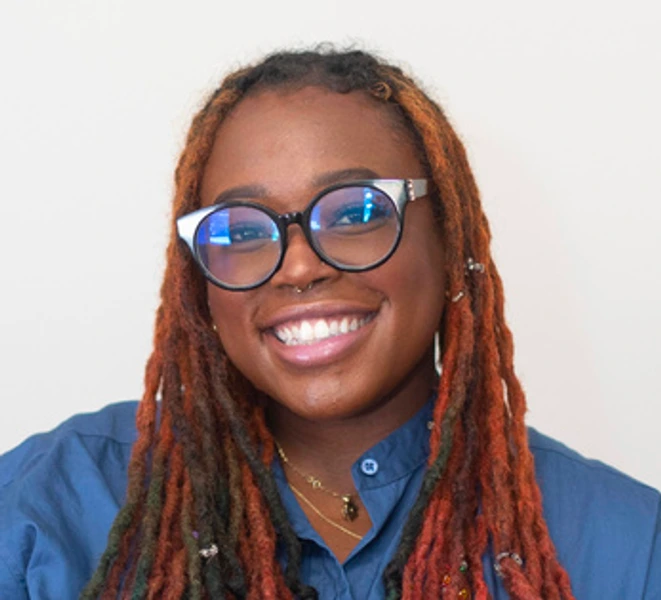
Tyler Mabry, a compassionate Licensed Clinical Professional Counselor, dedicates herself to addressing mental health disparities in the black community. Inspired by the daily traumas faced in school, work, and home, she pursued a counseling career. With certifications in DBT and Trauma & Resilience, Tyler skillfully guides clients to trust their emotions and develop coping skills. Recognized as an approved supervisor by the Maryland Board of Counselors, she mentors and provides impactful trainings, reflecting her commitment to counseling and fellow clinicians. Tyler Mabry, with expertise, empathy, and a passion for social change, makes a profound difference in clients' lives and professional growth.
Learning Objectives:
- Define structural racism and implicit bias in mental health settings.
- Identify how bias may impact diagnosis, assessment, documentation, and treatment planning.
- Recognize the impact of racial trauma and systemic inequities on client mental health outcomes.
- Apply culturally responsive and trauma-informed interventions in clinical practice.
- Develop actionable strategies to reduce bias and increase equity within clinical and organizational settings.
Agenda:
-
Welcome & Mindfulness (10 Minutes)
-
Structural Racism in Mental Health (40 Minutes)
-
Definitions:
-
Structural racism
-
Institutional racism
-
Cultural humility
-
Equity vs equality
-
Historical harms in mental health systems
-
Social determinants of mental health
-
Barriers to treatment access
-
Mental health disparities among marginalized communities
-
Implicit Bias in Clinical Practice (40 Minutes)
-
What implicit bias is and how it develops
-
Exploring implicit Bias in:
-
Diagnosis
-
Suicide/risk assessments
-
Behavioral interpretations
-
Documentation language
-
Engagement and rapport
-
Microaggressions in the therapeutic workplace
-
Overpathologizing and underdiagnosing clients of color
-
Exploring how to notice and manage your implicit biases.
-
How to notice implicit bias
-
How to manage implicit bias
-
Case Study & Breakout Discussion (30 Minutes)
-
Case study review (20 Minutes)
-
Culturally Responsive & Anti-Racist Care (20 Minutes)
-
Cultural humility in therapy
-
Addressing racial trauma in treatment
-
Validation vs minimizing experiences
-
Repairing ruptures related to identity
-
Advocacy within agencies and systems
-
Preventing burnout in equity work
-
Action Planning Activity (10 Minutes)
-
Participants identify:
-
One personal growth goal
-
One clinical practice change
-
One organizational/systemic advocacy step
-
Closing Reflection & Q/A (10 Minutes)
Accreditation - This Webinar Offers 3 Continuing Education Credits
This webinar is recorded and will not grant live credits. It grants Credits as listed below.
- CE You! is an approved sponsor of the Maryland Board of Social Work Examiners for continuing education credits for licensed social workers in Maryland.
CE You! maintains responsibility for this program. - CE You LLC is recognized by the New York State Education Department's State Board for Social Work as an approved provider of continuing education for licensed social workers #SW-0437
- Therapist Express is recognized by the New York State Education Department's State Board for Mental Health Practitioners as an approved provider of continuing education for licensed creative arts therapists. #CAT-0122.
- Therapist Express is recognized by the New York State Education Department's State Board for Mental Health Practitioners as an approved provider of continuing education for licensed marriage and family therapists #MFT-0129.
- Therapist Express is recognized by the New York State Education Department's State Board for Mental Health Practitioners as an approved provider of continuing education for licensed mental health counselors. #MHC-0325.
- Therapist Express is recognized by the New York State Education Department's State Board for Psychology as an approved provider of continuing education for licensed psychologists #PSY-0275.
This presentation is open to:
- Behavior Analysts
- Social Workers
- Professional Counselors
- Therapists
- Psychologists
- Licensed Mental Health Practitioners
- Medical Doctors and Other Health Professionals
- Other professionals interacting with populations engaged in mental health based services
This online class is offered at an intermediate level, and is beneficial for an intermediate level clinician:
- New practitioners who wish to gain enhanced insight surrounding the topic
- Experienced practitioners who seek to increase and expand fundamental knowledge surrounding the subject matter
- Advanced practitioners seeking to review concepts and reinforce practice skills and/or access additional consultation
- Managers seeking to broaden micro and/or macro perspectives
Additional information
- Refunds: Registrants who are unable to attend a CeYou! Plus! seminar or live webinars may ask for, and will receive, a credit or refund (your choice). Refund requests will be processed within 3 business days. When an attendee knows in advance that they are unable to attend we ask that they inform CeYou! Plus! ahead of time by emailing [email protected] or by calling or texting 607-249-4585 this allows us to free up the spot in the training in the event that a training is at or near capacity.
- Disability Access: If you require ADA accommodations, please contact our office 30 days or more before the event. We cannot ensure accommodations without adequate prior notification.
- Please Note: Licensing Boards change regulations often, and while we attempt to stay abreast of their most recent changes, if you have questions or concerns about this course meeting your specific board’s approval, we recommend you contact your board directly.
- The grievance policy for trainings provided by CeYou! Plus! is available here
- Satisfactory Completion: Certificates are available after satisfactory course completion in your account or by clicking here
- Participants will receive their certificate electronically upon completion of the webinar and course evaluation form.
- There is no conflict of interest or commercial support for this program.
- System Requirements: Any device (such as a computer, tablet, or phone), Dual-Core 2 GHz or higher processor, and at least 4 GB of RAM capable of running a Zoom session, along with a stable internet connection.
- Although early registration is recommended for this class in order to ensure the best experience, attendees may register and join until the start of the program