Navigating Emerging Challenges to Social Work Ethics and Boundaries
3 Hours
Previously Recorded
Debra Minsky-Kelly
3 CE Credits
Price
Paid
$59.99 USD
Yahoo!
Description
Social workers today face unprecedented challenges: a youth mental health crisis amid provider shortages, rapid advances in artificial intelligence, and shifting demographic and policy landscapes that strain the social safety net. This workshop will examine how these emerging issues intersect with social work ethics and boundaries. Together, we will explore critical questions: How can we support youth mental health with declining resources? Is Artificial Intelligence a useful tool to increase productivity and efficiency, or a new threat to youth and our profession? What is the role of social workers in responding to anti-DEI policies and other harms to vulnerable groups that our profession is committed to serving? Participants will leave with practical strategies for ethical decision-making and upholding professional boundaries in an era of uncertainty and change.
Like this webinar? Click here to view packages that contain this webinar.
Click on the title to view the package:
About the Presenter:
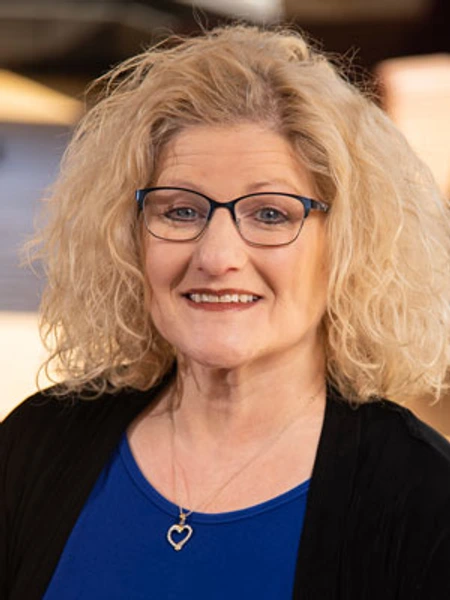
Debra Minsky-Kelly, LCSW, is a social work professor at Carthage College in Kenosha, WI. Her clinical social work experience includes serving as director of a mental health facility, domestic violence advocacy, child welfare, and homeless healthcare. Debra was selected as Distinguished Teacher of the Year at Carthage in 2021. Debra has a strong interest in ethical practice related to trauma, based on teaching a semester course on trauma to undergraduate students since 2019.
Learning Objectives:
- After completing this workshop, participants will understand: Demographic changes in the US/world and how this will impact the social service landscape
- The changing federal policy landscape and how this could impact social services and the social work profession
- The growing use of AI in many settings and the implications of this for social workers and those we serve
- The increasing prevalence of people seeking MH care from chatbots and the ethical implications of this for our profession
- The magnitude and potential causes of the current youth MH crisis
- The gender differences in mental health effects associated with technology
- The impact of the post - #MeToo era on boys and young men
- Ways a female-dominated field of social work can better address the MH needs of boys and men
Agenda:
I. Rapid changes to the demographic picture in the US and across the globe (15 minutes)
II. Ways to address these demographic shifts (5 minutes)
III. How is Artificial Intelligence (AI) changing social work practice? (20 minutes)
IV. The growth of AI being used for mental health support (40 minutes)
a. Potential benefits
b. Ethical concerns for social workers about AI-assisted psychotherapy
i. Client safety
ii. Effectiveness of these delivery systems
iii. Privacy and confidentiality
iv. Social justice
v. Autonomy
vi. The importance of human relationships
vii. Integrity, transparency, and trust
viii. The potential for deception
ix. Boundary concerns
c. Problematic outcomes of AI-assisted psychotherapy
i. AI psychosis
ii. Problems associated with AI incentives that prioritize user “engagement”
iii. Troubling case examples, including suicides
iv. Impact on the mental health professions as AI “therapies”
proliferate
v. How does AI navigate crises such as child abuse, suicidal ideation, etc.?
vi. Increased isolation
vii. Unclear effectiveness/outcomes
viii. Questionable corporate intentions
d. Why are licensed professionals better than chatbots?
V. How federal policy changes are impacting the social work profession (20 minutes)
a. How anti-DEI policies threaten social work values, ethics, and competencies
b. Challenges to college curricula are especially complex for social work programs
c. Changes to college funding and student loan programs are particularly harmful to students pursuing social work degrees (among others)
d. How this could worsen current shortages of mental health providers
VI. The youth mental health crisis (30 minutes)
a. Evidence of the magnitude of the problem
b. A trend across high-income nations
c. Not explained by improved screening
d. The lengthening of the adolescent stage of life
e. The decline of the play-based childhood
f. Proposed solutions
VII. Harmful effects of technology on youth mental health (15 minutes)
a. Gender differences
b. Unique challenges facing boys
VIII. Emerging complex challenges facing boys (40 minutes)
a. Greater vulnerability starting at birth
b. Declines in male performance in school and other settings
c. Complex combination of privileges and vulnerabilities
d. How traditional gender norms hurt boys and men
e. Feminist movements seem to have helped girls, but strict norms on male
behavior have remained the same or worsened
f. Loneliness in boys
g. The rise of right-wing influencers and their impact on boys and young men
h. The online “manosphere”
i. How traditional norms for masculinity undermine mental health
j. How can social workers better serve male clients?
IX. Where do we go from here? (10 minutes)
X. Various ethical dilemmas and discussion (20 - 40 minutes)
Accreditation - This Webinar Offers 3 Live Interactive Continuing Education Credits
- CE You LLC, #1573, is approved as an ACE provider to offer social work continuing education by the Association of Social Work Boards (ASWB) Approved Continuing Education (ACE) program. Regulatory boards are the final authority on courses accepted for continuing education credit. ACE provider approval period: 3/27/2024 - 3/27/2027. Social workers completing this course receive 3 continuing education credits.
- CE You! is an approved sponsor of the Maryland Board of Social Work Examiners for continuing education credits for licensed social workers in Maryland.
CE You! maintains responsibility for this program. - CE You LLC is recognized by the New York State Education Department's State Board for Social Work as an approved provider of continuing education for licensed social workers #SW-0437
- The School of Sex Therapy is an approved continued education provider for the International Association of Psychosexual Therapists. The School of Sex Therapy maintains responsibility for this program and its content.
- Therapist Express is recognized by the New York State Education Department's State Board for Mental Health Practitioners as an approved provider of continuing education for licensed creative arts therapists. #CAT-0122.
- Therapist Express is recognized by the New York State Education Department's State Board for Mental Health Practitioners as an approved provider of continuing education for licensed marriage and family therapists #MFT-0129.
- Therapist Express is recognized by the New York State Education Department's State Board for Mental Health Practitioners as an approved provider of continuing education for licensed mental health counselors. #MHC-0325.
- Therapist Express is recognized by the New York State Education Department's State Board for Psychology as an approved provider of continuing education for licensed psychologists #PSY-0275.
This presentation is open to:
- Behavior Analysts
- Social Workers
- Professional Counselors
- Therapists
- Psychologists
- Licensed Mental Health Practitioners
- Medical Doctors and Other Health Professionals
- Other professionals interacting with populations engaged in mental health based services
This online class is offered at an intermediate level, and is beneficial for an intermediate level clinician:
- New practitioners who wish to gain enhanced insight surrounding the topic
- Experienced practitioners who seek to increase and expand fundamental knowledge surrounding the subject matter
- Advanced practitioners seeking to review concepts and reinforce practice skills and/or access additional consultation
- Managers seeking to broaden micro and/or macro perspectives
Additional information
- Refunds: Registrants who are unable to attend a CeYou! Plus! seminar or live webinars may ask for, and will receive, a credit or refund (your choice). Refund requests will be processed within 3 business days. When an attendee knows in advance that they are unable to attend we ask that they inform CeYou! Plus! ahead of time by emailing [email protected] or by calling or texting 607-249-4585 this allows us to free up the spot in the training in the event that a training is at or near capacity.
- Disability Access: If you require ADA accommodations, please contact our office 30 days or more before the event. We cannot ensure accommodations without adequate prior notification.
- Please Note: Licensing Boards change regulations often, and while we attempt to stay abreast of their most recent changes, if you have questions or concerns about this course meeting your specific board’s approval, we recommend you contact your board directly.
- The grievance policy for trainings provided by CeYou! Plus! is available here
- Satisfactory Completion: Certificates are available after satisfactory course completion in your account or by clicking here
- Participants will receive their certificate electronically upon completion of the webinar and course evaluation form.
- There is no conflict of interest or commercial support for this program.
- System Requirements: Any device (such as a computer, tablet, or phone), Dual-Core 2 GHz or higher processor, and at least 4 GB of RAM capable of running a Zoom session, along with a stable internet connection.
- Although early registration is recommended for this class in order to ensure the best experience, attendees may register and join until the start of the program
Item Added To Cart
You now have 1 item in your cart.
Go To Cart